Why Central Victorian Artists Prefer Heavier Papers for Etching
Posted by Art Supplies Castlemaine on 20th Jun 2026
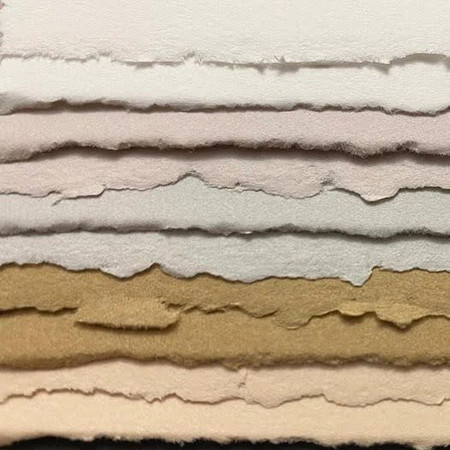
Across studios in Central Victoria, heavier sheets tend to rise to the top when it comes to etching. It's not just preference, it's practical. Working with printmaking paper that can hold structure under pressure, retain fine lines, and stay flat during drying is something we rely on every day.
Not all printmaking paper behaves the same. Between weight, texture, and thickness, the differences can change how etchings turn out. Heavier papers offer better control during the press and help us keep more of the detail we’ve worked hard to create. Whether we’re editioning a small run or just proofing a plate, having something sturdy under the press can mean fewer worries and better results.
What Heavier Paper Actually Does in Etching
There's a reason many of us reach for the weightier sheets. Thicker paper takes pressure differently. When the plate, press, and dampened sheet all come together, the fibres in heavier paper respond gently under load rather than stretching thin or shifting against the press bed.
Here’s what stands out during the process:
- Thicker sheets absorb ink better and leave sharper marks on first pull
- They’re less likely to move or slip, even when using a full-size roller press
- Fine edges hold their line, helping us get clear results across every print in a series
The weight keeps things consistent. That helps reduce paper fatigue and avoids tears from repeated runs. It gives each impression a solid foundation, which makes the whole printing session smoother.
Paper Weight and the Regional Climate
Central Victoria can be a mixed bag late in autumn. Wet weather isn’t uncommon this time of year, and plenty of us work in backyard sheds, open studios, or shared spaces where controlling the climate isn't always easy.
That’s where heavier paper holds its ground. It doesn’t react as much to cooler air or damp hands. Lighter sheets will often curl or ripple during soaking or drying, especially if the room has variable humidity. We’ve noticed thicker sheets manage the change better. They dry flatter, hang onto size longer, and need less coaxing to lie still under the press.
Having paper that reacts more steadily helps us get on with the work rather than fuss over materials, especially when seasons shift and studio conditions aren't ideal.
Choosing Paper for Professional vs. Practice Plates
We use lighter paper for early sketch plates or technical tests, but once plates are ready for a final pull, heavier sheets get our full attention. It’s about look and feel. It's how the paper carries colour, tone, and edge across to the page.
Different print types respond better to certain weights, including:
- Drypoint: needs a strong surface that won't tear when burrs catch the paper
- Aquatint: benefits from a firm sheet to support soft tone and graduated values
- Mezzotint or line work: shows more contrast on thicker stocks that can take a deep bite
When tonal range matters, or when we want to send a print for framing, heavier paper handles the ink load better. Lighter options sometimes flatten mid-tone areas or wash out delicate lines, especially if over-wiped. Knowing which weight to use helps us build a smoother workflow between proofing, editing, and printing final editions.
Handling, Storage, and Press Behaviour
Another reason we stick to heavier sheets is their ease of handling. Etching involves a range of steps where paper can get nudged, bent, or pressed repeatedly. Flimsy paper folds too easily. Edges crimp. Lighter paper can even shift in the felt blankets as it moves through the press.
With thicker paper, those risks drop. It can survive being re-soaked for a reprint or being stored between boards for a week without showing dents. Under the press, it holds tension and follows the plate without distortion. That steadiness matters when printing detailed lines or running large editions.
Heavier sheets also tend to stay more stable in long drawers or flat files. They don’t curl at the edges or turn brittle over time as quickly as thinner ones do. We’ve had work printed years ago on sturdy paper that still lies nicely between boards, ready to show.
Long-Term Appearance and Framing
When we hang a piece on a wall or store it for future exhibits, heavier paper adds polish. A firm sheet can help the print lie flat in a frame. It doesn’t buckle or move once mounted. It holds the ink without ghosting and supports embossing or plate marks that add touch-level detail.
There’s something about the clean edge of a deckled sheet or the way a watermark sits visible in a corner that feels more finished. That sense of structure comes through whether the print is hanging in a show or resting under acetate in a folio.
For anyone who plans to store pieces long-term, the surface strength of heavier paper makes a noticeable difference. Fading is less common when the paper holds ink properly. The backing stays clear. Print edges remain firm. The whole piece keeps its integrity far longer.
Stronger Prints That Hold Over Time
Around Central Victoria, we can’t always predict weather or studio conditions, but choosing heavier paper gives us one less thing to worry about. It holds shape, keeps ink sharp, and doesn't wear down easily through multiple print runs.
Every press pull puts stress on paper. When we start with a stronger sheet, there's less chance of tearing, distortion, or having to reprint because the fibres didn’t behave. That reliability shows in the final result, whether we’re printing for sale, sharing our work, or adding to our personal archive.
Good printmaking paper does more than carry ink. It supports technique, holds each mark with care, and keeps the work looking steady year after year.
Sorting through papers for your next etching or considering an upgrade to your studio setup requires the right insights, and our experience with real press conditions shows that sturdier sheets yield better results when print detail matters. We have stocked a selection of printmaking paper that works perfectly with techniques ranging from embossing to aquatint. At Art Supplies Castlemaine, we are always ready to help you match the right surface to your next print run so you can confidently advance your creative process.