Why Artists Choose Silicone Over Plaster in Cold Weather
Posted by Art Supplies Castlemaine on 24th Jul 2026
When the weather starts to cool, we notice more artists swapping out plaster for silicone in their moulding work. It’s not just about preference. The cold air actually changes how some mouldmaking supplies behave during the casting process. Thicker coats, slower cures, and brittle edges are the kinds of issues that start to show up more often in winter.
If the space you’re working in isn’t heated, or you’re casting in an outdoor shed or cold studio, those low temperatures can slow down plaster sets and leave you dealing with surface cracks or failed demoulds. Silicone tends to be more forgiving this time of year. That’s why many artists reach for it when planning winter projects.
How Temperature Impacts Casting Materials
Cold air affects both the chemistry and physical behaviour of casting materials. Neither plaster nor silicone performs the same way in summer as they do in mid-July. Cold changes how they cure, how smooth the pours are, and how well moulds hold together after setting.
Here’s what we often see:
- Plaster takes longer to set and is more prone to cracking if demoulded too quickly
- Lower humidity can dry out plaster mixes too early, leading to a chalky or brittle finish
- Silicone generally stays more stable, even in cooler, drier air
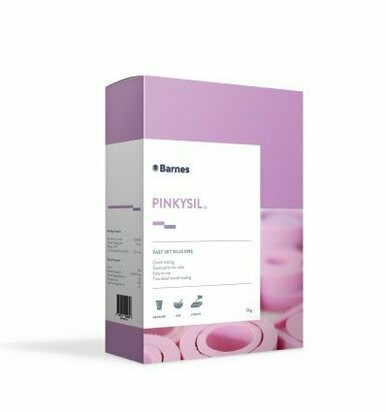
Plaster reacts quickly to changes in air temperature and moisture, but silicone handles those shifts with less trouble. It can still set fully in a cold workroom, keeping a consistent texture without becoming crumbly or stiff. Fast setting silicones such as Pinkysil Casting Silicon use a simple 1:1 mix ratio by volume and are formulated for small, detailed moulds with a short work time and demould time, which is helpful when room temperatures are low. That makes it a more stable choice for winter casting.
Drying and Setting: Silicone vs Plaster in Winter
Curing is where the difference between plaster and silicone really stands out. When it's cold, plaster tends to slow right down. This can be an issue if you're on a schedule, or worse, if things start to set unevenly inside a thick cast.
Plaster responds best when it's a bit warmer and more humid. In winter, when the air is dry and the surfaces are cold, it can:
- Form a skin on the outside before the inside sets
- Remain damp for too long, leading to soft spots or uneven demoulds
- Give false cures that feel firm but crumble when pressure is applied
Regular casting plasters like Reno Pottery Plaster 1kg, which are designed for quick casts into alginate or latex moulds, often need closer attention to timing and drying in cold rooms to avoid these problems.
Silicone takes a steadier path. It maintains its response rate fairly well across changing conditions and will not resist curing completely even if your workspace feels like a fridge. That reliability gives you peace of mind, especially when working with detailed models or small runs of moulds.
Surface Detail and Flexibility in Cold Conditions
Fine details often pay the price when temperatures drop. Cold interferes with how materials flow into undercuts and shallow impressions, affecting the final texture of the mould.
With plaster, cold conditions can lead to:
- Cracked casts when demoulding early
- Chips forming around the thinnest sections
- Bonding with the model due to uneven drying or surface tension issues
Silicone stays flexible, even when the room temperature drops. That flexibility means it pulls away cleanly from most shapes, even if your model has sharp points or deep grooves. It also gives you more adjustment time since it's less likely to snap or flake during removal.
Cold doesn’t cancel out detail, but it does mean you’ll want to pick materials that can handle those slower flows and tighter tolerances.
Choosing the Right Mouldmaking Supplies for Winter Work
No single casting material works best in all weather, but knowing how your chosen material acts in winter helps reduce surprises. Matching your mouldmaking supplies to the conditions you’re actually working in makes everything smoother.
Before you start a cold-season project, think about:
- Whether your studio or workspace holds heat
- How big or detailed your cast is
- How long you can wait between pours and demoulding
There’s a wide range of supplies made for moulding projects, each with its benefits depending on timing, studio space, and the shape you’re working with. In winter, it’s about avoiding problems that can be controlled. When you understand how these products respond in cold air, it’s easier to trust the pour and focus on the outcome instead of troubleshooting.
Why Tool Prep and Storage Also Matter
It’s easy to forget the gear until something goes wrong. Cold can hide in more than just the air around us. Tools absorb the chill too, which changes how well your materials mix or set.
Here are a few cold-season habits that help:
- Store tools and containers somewhere warmer overnight, even if it’s just indoors near a heater
- Don’t leave liquids in plastic jugs in the car or garden shed
- Let your mixing cups and spatulas warm up a little before adding materials
If your containers or tools are too cold, the silicone might take longer to activate, or the plaster could react too fast to the change. Simple steps like wiping down surfaces and starting with slightly warmer gear can make a big difference during winter casting sessions.
Keep Casting Projects Steady Through the Cold
Switching to silicone doesn’t mean plaster is off the table for cooler months. Both materials can work for casting in a cold environment, but there’s more room for error when using silicone. Its flexibility, stable setting time, and surface memory help reduce the risks that come with building moulds in a chilly space.
Keeping winter creativity going often comes down to matching the materials with the way your studio feels. When things slow down in the cold, materials that stay steady can keep the work moving anyway. When we understand the limits of the materials in front of us, we are better prepared to do our best work, no matter the season.
Planning a casting project this winter means starting with materials that will not resist the cold. Choosing supplies that match your workspace helps make the process smoother. We offer a reliable selection of mouldmaking supplies that work well for both seasoned sculptors and newcomers working with limited heating, and our team at Art Supplies Castlemaine is ready to help you make your winter projects easier and more consistent. If you have questions about the best options for your studio setup, please contact us.