What Mixing Surface Works Best for Transparent Acrylics
Posted by Art Supplies Castlemaine on 20th Sep 2026
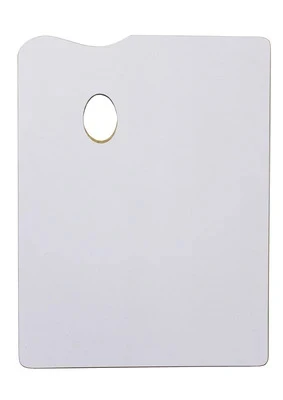
Transparent acrylics behave a bit differently than their opaque counterparts. We find they respond more sharply to the surface underneath, both during mixing and when they are applied to paper or canvas. The clarity, flow, and layering potential of transparent colour really depend on how it is handled from the start.
That is where the right mixing surface comes into play. It might not be the first thing you think about when gathering fine art supplies, but it makes a real difference. A mixing surface that supports sharp blends without dulling the pigment keeps transparent acrylics looking crisp and bright. Whether you're working in washes, layering glazes, or trying to control subtle shifts in tone, your palette surface has a direct effect on how easily the paint behaves.
Clear Mixing Surfaces vs Tinted or Textured Ones
We have seen clear or white-coated palettes give far more accurate colour reads compared to palettes with tints. A colour-neutral white surface, like porcelain or light ceramic, helps us see the true value of the mix before brush meets paper. Tinted plastic trays tend to skew the read, especially when mixing light transparent layers.
The finish matters too. Smooth surfaces, like glossy tile or glass, keep edges clean and allow water-heavy mixes to sit without dragging. Textured palettes do the opposite. They can pull moisture unevenly or leave small texture breaks in the mix, which can disrupt colour consistency once the brush hits the work surface.
There is a bit of nuance when it comes to reflections. Glazed ceramic or pure white porcelain might reflect light strongly, especially under overhead bulbs. That bounce can make it harder to judge subtle tonality in low-contrast mixes. So it is a good idea to pay attention to lighting and angle when picking your surface.
Glass, Acrylic, and Ceramic: Common Mixing Options
We often rotate between a few dependable options in the studio, each with their own quirks. Here is where the most common ones land:
- Glass stays cool and totally non-absorbent, so washes hold their shape longer. It is easy to clean, does not warp, and does not stain much, which is great for transparent work where colour accuracy matters.
- Acrylic mixing sheets are lightweight and portable, which is helpful. But they can stain easily and may not hold moisture well, especially in warmer conditions. Transparent acrylics may dry too fast here if the sheet gets too warm.
- Ceramic palettes feel more traditional. Their slight weight and flatter firing make them easy to hold steady. They hold water better than acrylic and do not pick up tint from previous use as quickly. For slow layering or soft glazes, they give a nice balance.
We like to test a few to find what behaves best with specific paint bodies or working styles. There is no single correct answer, just options that match better with different habits. In our studio supplies, we often reach for flat ceramic palettes and tempered glass slabs that offer a smooth, neutral base for transparent colour mixes.
How Paint Reacts: Dry Time, Flow, and Liftability
Surface differences really come through in three places, especially when working transparently: how fast the paint dries, how smooth the blend feels, and whether you can lift or rework areas partway through.
Slick surfaces like glass or glazed tile tend to keep paint open a bit longer. Transparent colours stay wet, letting you shift, feather, or dilute without rushing. But if your palette surface is porous or rough, like untreated wood or matte plastic, it might pull moisture too fast, leaving less time to adjust your mix.
Here is what we watch for on different surfaces:
- Surfaces that stay cool and do not absorb much let us blend slowly and keep washes fluid.
- Rougher textures tend to grip the paint early, which interrupts the lift. That means once the pigment is down, it is harder to rework.
- Materials prone to staining (like some basic plastics) might hold onto old pigments, which creates ghost colours in the next mix.
That last one is especially noticeable with transparent paints. If the last colour is not cleared properly, it may bleed into the new layer and shift the tone without warning.
Keeping Your Surface Clean and Neutral Over Time
A fresh mixing surface looks great, but transparent paints make any flaw stand out quickly. Stains, scratches, or leftover pigment from a previous session can throw the next mix completely off base. Regular cleaning and surface checks are key.
We have learned a few things over the years that help keep palettes workable longer:
- Wipe down surfaces while still damp, especially when using staining colours. Letting transparent paints dry before cleaning often makes the colour much harder to remove.
- Gently scrub rough or damaged spots using soft cloths or flexible scrapers rather than metal blades. Over time, scratched areas may hold pigment unevenly.
- Use plain, unscented soap and rinse fully. Cleaning agents or tinted sponges can leave residues that react with thin paint bodies.
The goal is to keep the mixing area as close to neutral as possible. That way, we can judge every fresh colour on its own terms without hidden variables affecting how it looks in the palette.
Clarity from the First Stroke: Why Surface Choice Matters
We always come back to this one key point: transparent acrylics behave best when the setup supports their nature. Starting with a palette that makes colours easy to judge, easy to lift, and consistent to rework gives you better control down the line. Whether you are layering glazes or pulling back into highlights, the surface underneath your mix plays a big role in how your hand and your brush do their job.
When we think about what makes an acrylic mix clean, clear, and balanced, it begins at the palette, not the paper. A good mixing surface might not be the flashiest item among your fine art supplies, but when painting transparent colours, it is one that sets the tone for everything that follows. In our surfaces section, we keep a range of smooth palettes and glass panels designed to handle repeated mixing and easy cleaning, so that transparent colours stay true.
At Art Supplies Castlemaine, we know that the right palette surface can transform your work with transparent acrylics. A clean, neutral base prevents colour shift and gives you better control from the moment you start mixing. Whether you prefer glass, ceramic, or acrylic sheets, the surface behind your colour is just as important as the pigment itself. For those stocking up on trusted fine art supplies, our team is ready to help you choose the ideal mixing tools.