Things to Check Before Buying Art Materials Online
Posted by Art Supplies Castlemaine on 24th Jul 2026
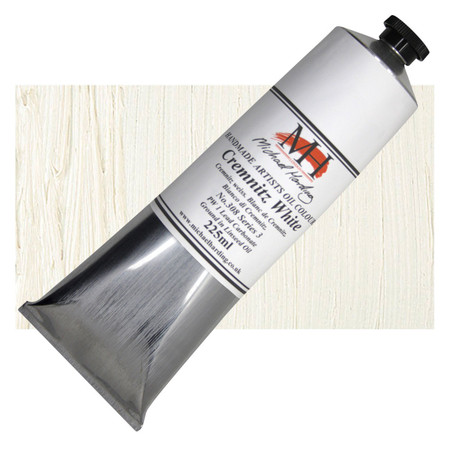
Buying art materials online can be quick and convenient, especially if you're outside a major city or working to a tight schedule. But it’s easier than you’d think to buy the wrong thing if you’re not paying close attention. Colours might look right on the screen but behave very differently on the page. Tools might arrive smaller than you expected. One small mismatch can throw off a whole day’s work.
Whether you’re topping up your lino inks or building a new watercolour kit for autumn sketching, it helps to slow down and check a few key details before checking out. We’ve picked up some habits that keep surprises to a minimum when ordering art materials online. Our store in Castlemaine, Central Victoria, stocks a wide range of quality painting materials, brushes, papers and canvases, and we sell online Australia wide, so we see how much difference careful product choice can make.
Check the pigment and medium details, not just the colour name
Colour names can be misleading. Two paints might both be called Alizarin Crimson, yet behave nothing alike once you’re mixing on the palette.
Look beyond the label and focus on what's actually inside:
- Pigment codes give you the clearest clue. Look for codes like PW6 (titanium white) or PR122 (quinacridone magenta), which reveal the actual pigment used.
- Paints with the same colour name can differ depending on the binder, whether it's oil, acrylic, or gum arabic.
- Think about opacity. If you tend to layer thin washes or glazes, you might prefer transparent or semi-transparent colours. For bold block work, especially in printmaking or opaque painting, a higher opacity might suit better.
By checking the pigment information before you buy, it’s much easier to get consistency in how your colours behave. On our shelves you will find both introductory sets, such as Reeves acrylic and watercolour sets of 12x12ml tubes, and artist-quality ranges like Art Spectrum Artists' Watercolours, which use lightfast pigments with a high pigment load for stronger tints and cleaner mixes.
Know what surfaces you plan to use them on
It's easy to be swept up by colour and texture without considering where you'll use the media. The surface matters as much as the medium itself.
Consider these points before choosing your paper, board, or canvas:
- Weight is key for water-based media. Anything too thin can buckle. For watercolours, something around 300gsm works well, while heavy printmaking often needs thicker support.
- Texture matters. Rough watercolour paper brings out granulation, while a smoother plate-surface may suit ink drawings or detailed linework.
- Machine-made versus handmade can affect drying and absorption. Handmade papers often have more varied fibres and deckled edges, which behave differently under pressure or wet media.
Get your surface right, and your materials will cooperate rather than resist. Our range includes everything from 200gsm cartridge papers for ink washes and printmaking to 100% cotton mould-made watercolour papers like Fabriano Artistico in heavier 640gsm weights for demanding techniques.
Look closely at the product description images and sizing
Online images can trick the eye. Brushes, rollers, and paint tubes may look similar until they arrive and reveal unexpected sizes.
To avoid misjudging scale, pay attention to:
- The listed quantities. Check millilitres for liquids, and know your usual sizes so you’re not caught off guard by a 37ml tube when you expected 120ml.
- The series number and size for brushes. What’s called a size 6 flat in one range might not match another brand.
- Sets can be misleading. Read the itemised list to be sure what’s included. Sometimes a "set of 6" only includes travel sizes or half-strength versions.
Product formatting might differ across platforms, so spending a few moments on this step can save you time, returns, and disappointment.
Make sure packaging suits the season and travel
Late March in Central Victoria can mean crisp mornings and drier air still holding on from summer. If you’re buying delicate items like pastels or handmade papers, they need to travel safely.
Weather and transport both play roles:
- Dry conditions can crack certain media, especially pastels or older paint tubes, so ensure they arrive sealed and padded.
- Liquids like acrylic mediums or inks require secure caps that won’t loosen in temperature swings. Leaks can cover every item in pigment dust or sticky residue.
- If you're switching studios or on the move, skip glass containers. Plastic and metal tend to travel better in backpacks or shared storage spaces.
A cracked jar or dusty box can set work back, so planning ahead for seasonal travel is essential.
Understand product labels and terms used in fine art supplies
Fine art materials speak their own language. Knowing what the product description really means helps you match what’s on the shelf to what you need.
Here’s how we keep terms clear:
- Student grade versus artist grade usually refers to pigment load and binder quality. Student options work for practice, but artist grade offers better permanence.
- Lightfastness is key if your work will hang near windows or needs to retain its colour over time. Check ratings that indicate how well a pigment resists fading.
- Printmaking papers may list attributes such as wet strength or deckle edge. Wet strength shows how the paper holds up with water-based inks, while a deckle edge adds aesthetic value and can affect printing.
- Terms like “open time” indicate how long the medium remains wet before drying, which is crucial for layering or blending.
The more familiar you become with these terms, the more confident you can be before starting a new project.
Make sure the tools match your technique
Tools are more than just utensils; they shape how your work comes together. Consider your setting and the methods you want to explore before finalising an order.
Here’s how to plan:
- Picture your setup. Whether you’re working at a desk, in a shared studio, or out in the bush, it might change what paper size or brush handle length suits you best.
- Think about how your medium responds to heat, dryness, or humidity. This affects everything from how a roller applies ink to whether a pencil glides or scratches.
- Ask yourself what you're trying to achieve. Whether it’s crisp linework, thick impasto, slow blends, or sharp prints, the tools need to support the technique rather than clash with it.
Planning this part before buying makes the rest of the process smoother. A few small checks can save you time and avoid duplicate purchases later on.
Every order should feel like obtaining the right building blocks for your next creative push. Whether that means fresh sketchbooks for the cooler season or a new set of gouache for exploring colour studies indoors, careful preparation makes a significant difference.
Planning your kit for the cooler season or needing something that performs as expected straight from the post, Arts Supplies Castlemaine is here to help you with choices you can trust. It is worth taking a closer look at how brands label their pigments or ensuring that specific surfaces suit your working style. From brush shape to canvas grain, better planning can lead to improved results. When browsing for dependable art materials online we are happy to guide you through the finer details. Contact us if you are unsure about what suits your next project best.