Guide to Comparing Machine-Made vs Handmade Swatch Books
Posted by Art Supplies Castlemaine on 25th Oct 2026
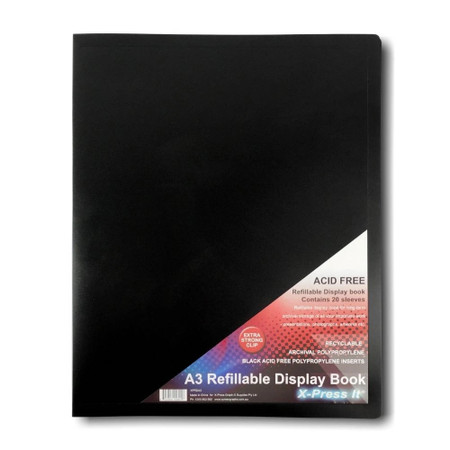
Swatch books are one of those quiet studio tools that end up doing a lot of heavy lifting. Whether you're checking how a red pigment spreads in water or comparing brands of charcoal, a good swatch can save you mistakes later. Like brushes or palettes, not all swatch books are the same. You'll find some that are machine-made with neat bindings and papers that follow one texture all the way through. Others are handmade, often stitched by artists or bookbinders who choose each paper with care.
When you're walking through an art supplies store or browsing online for your next batch of materials, picking between machine-made and handmade can feel like a small decision, but it shapes how well your colour testing works. Let’s look at the features that matter when picking the swatch book that suits your work best.
Understanding What Makes a Swatch Book
Swatch books do more than just hold colour. They are tools for testing how materials behave with paper, light, or time. We use them to:
- Check pigment intensity, especially when diluted
- See how layering affects hue or texture
- Record lightfastness or water resistance over time
Most artists end up using a format that matches how they work. Some prefer accordion folds that stretch out across a long desk, making it easy to compare transitions side by side. Others like stitched spines because they feel more solid and easier to store. Loose-leaf pads can be handy too, especially if you're swapping paper types.
But none of these formats are helpful if the paper itself cannot handle your tools. Wet media like watercolour or ink soak differently depending on sizing and grain. Dry pigments like pastel or graphite respond better on paper with a bit of grip. That is why the paper and the binding both matter for long-term use.
Machine-Made Swatch Books: What You Get
Factory-bound or machine-made swatch books are easy to find and easy to trust for consistency. That consistency is useful when you're testing batches over time. If you're working with standard watercolour or ink washes, knowing each page reacts the same helps improve your technique.
Here is what stands out about these books:
- Every page is usually cut the same, from texture to edges
- They are bound with spirals, glue, or stitched machines, often holding up well with light to moderate use
- They are easier to replace or reorder from an art supplies store, especially if you're trying to build a reference library over time
Machine-made books are generally built for reliability. They suit classrooms, regular studio sessions, and artists who need many samples but not much texture variation.
Handmade Swatch Books: When Custom Matters
Handmade books lean more toward being one-of-a-kind. The value appears when you need particular papers or formats. Mixed media artists often find these books better for testing layers. Printmakers and gouache users like having more tooth in the paper, or a way to switch surfaces mid-book.
People often choose handmade swatch books based on:
- Unique paper selection that suits specific tools
- Flexible structures like coptic binding or stitched booklets that can open flat
- Thoughtful designs focused on artist needs, such as thicker covers to support heavier paste or dry pigment loads
When your process is pigment-driven or paper-sensitive, handmade books can give more flexibility for complex tests. There is also more space for adjustments if you want to paste in notes or extra samples.
Paper Matters: Key Technical Differences
The biggest difference between machine-made and handmade swatch books often sits quietly in the paper. It is easy to miss until you run a wet brush along the surface and see the texture react in a way you did not expect.
Machine-made books usually rely on standard sizing and consistent manufacture, which works well if you're testing lots of colours under the same conditions. Handmade books may use deckled edges or unbleached fibres, which can absorb water differently across the spread.
The way paper takes colour can shift based on:
- Surface size and internal sizing for water control
- Tooth or grain, which can hold pigment or resist it
- Edge condition (torn or cut), which affects how washes settle
If you are working with granulating watercolours or heavily pigmented inks, these factors change the way your swatches perform. Some papers hold sharp edges longer. Others may pull colour further across the fibres and soften the contrast. Knowing how your material reacts ahead of time gives you control before your brush touches the real canvas or board.
Choosing What Is Best for Your Studio Work
There is no single answer. It depends on how and why you swatch.
Machine-made swatch books tend to suit faster studio work. If you are in a classroom, preparing demos, or doing volume comparisons, being able to pull out another of the same book matters. It saves time and keeps results even.
When detail calls for precision, handmade books come in with more control. Some of our testers use handmade books to build pigment diaries, tracking how each tube of paint behaves across months. Others use them for rough textural builds, like chalk pastel or thick acrylic washes.
Before settling on one or the other, we usually suggest:
- Testing a few small swatches of your favourite tools
- Comparing how pigments settle or lift on a couple of paper types
- Thinking about portability, page count, and whether you need the book to archive or just experiment
Some artists use both. One for technical reference, another for experimentation. Whichever way you go, make sure you are paying attention to what your materials actually need from the surface and structure.
Finding Your Fit Without Frustration
Swatch books may not look like the most technical part of your practice, but they quietly support everything that follows. Choosing between machine-made or handmade helps set you up for better testing, better control, and fewer surprises when your final work begins.
Most people pick up new materials from their favourite art supplies store and head straight for the paper pile or pigment section, but thinking through your swatch book makes just as much difference. Matching that paper, layout, and format to your tools, not only your taste, helps your colours show their best side long before the first sketch is finished.
At Art Supplies Castlemaine, we know how much the right materials can affect the way you plan, test, and complete your artwork. Whether you are mixing colours or experimenting with textured media, it helps to start with the right foundation. For dependable tools, our art supplies store offers a wide range of surfaces and books to support your studio setup. Finding the right balance between paper texture and pigment compatibility takes time, and we are here to help you make smart choices. If you are unsure what type of swatch book or surface suits your process, just ask. We are happy to help.