How Graphite Hardness Affects Shading Control
Posted by Art Supplies Castlemaine on 19th Mar 2026
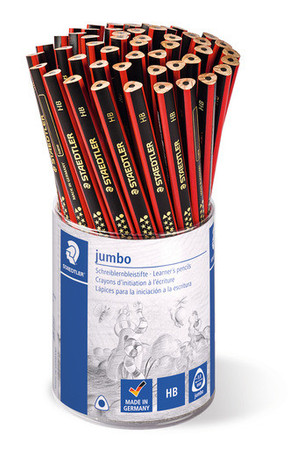
Graphite pencils often fly under the radar. They are modest, reliable tools that most of us have used since childhood. But hidden inside each one is a mix of clay and graphite that controls more than just what the mark looks like on paper. It affects how smooth or gritty the stroke feels, how easily it smudges, and how much space we can fill when shading large areas.
When we are selecting fine art supplies for drawing, one of the quickest ways to gain better control over shading and depth is by becoming familiar with graphite hardness. Knowing when to use a harder pencil or a softer one can shape the mood of a sketch, strengthen structure, and help soften transitions between light and dark. It is a detail worth paying attention to, especially for drawings that rely on tone and subtle contrast.
What Graphite Hardness Means
All graphite pencils follow a scale, but it is that tiny letter on the barrel, H or B, that gives away how it will behave on the page. H stands for hard. These pencils contain more clay, which makes their mark lighter and their stroke feel firmer. The higher the number in front of the H, like 4H, the harder and lighter the pencil is. B stands for black. These are softer, with more graphite and less clay, which creates darker, thicker strokes.
Here is how the composition of a pencil core breaks down
- Hard pencils (H scale) have more clay, sharper marks, less smudge, and longer point retention
- Soft pencils (B scale) have more graphite, darker lines, are easier to blend, and wear down faster
This balance inside the pencil impacts more than just tone. It shapes how the pencil responds to pressure, how textured the shading looks, and even how clean or dusty your sketch ends up. That is why knowing what each grade actually offers can change how we use it. Mixed graphite sets such as the Cretacolor X-Sketch Mega Pencils Drawing Set include HB, 2B, 4B, 6B, and 9B cores in one tin, which makes it easier to experiment with a full hardness range in a single session.
Hard vs Soft Pencil Grades in Action
Drawing with a 4H feels completely different from drawing with a 6B. One glides lightly and barely touches the tooth of the paper. The other lays down rich, deep blacks that can smudge with the flick of a palm.
Harder pencils (4H through to H) work well for the following uses
- Light, sketchy lines or early layout work
- Clean details like architecture or diagram drawings
- Precise marks where staying sharp matters
Softer pencils (2B through to 8B) are better suited to the following ways
- Rich portrait shading or life studies
- Areas where texture and depth are needed
- Looser sketches where expressive marks are key
Most artists tend to keep a mix close at hand, swapping between grades depending on the drawing style or subject. A builder’s sketch of a house might lean heavily on 2H or H, while a charcoal style portrait might rely on 4B or softer to get the nuance of tone and softness across the skin.
Shading Techniques and Graphite Control
Shading is not just about making things darker. It is about showing weight, forming shape, and building space. The graphite pencil becomes a tool for sculpting light and shadow when we use the right one for the job.
Different shading styles make more sense with certain grades. Here are a few examples
- Hatching or crosshatching use harder pencils that let us layer lines tightly without over-darkening
- Blending uses softer pencils that spread more easily, which is great for smooth transitions
- Tonal blocking uses mid-range grades like HB or 2B to fill spaces cleanly without overpowering details
When a drawing uses several grades in one area, it builds more realistic changes in value. The transition from HB to 4B across a shadowed fold adds a richness that is hard to get by pressing harder with a single pencil. We find that by layering different grades, from light source to deepest dark, we gain gentle control over midtones, soften edges naturally, and avoid the flatness that happens when only one pencil does the work. For particularly deep darks, many artists like to combine standard graphite with specialist drawing pencils such as Conte Pierre Noire, which has a dense, matt black lead that holds on a wide variety of surfaces.
Choosing the Right Pencil for Paper and Climate
Not all paper plays fair with every pencil. A smoother sheet will take on fewer layers but is great for sharp, clear linework. A more textured paper holds onto graphite much better, especially when we are working with soft pencils that like to smear.
Here is how the surface changes things
- Smooth paper works better with B and HB grades, which is great for tight linework
- Textured paper holds 4B and below better, suiting layered shading and blending
We are still catching the tail of summer across Victoria in March, so that heat can make things trickier. Softer pencils can feel stickier on the page, and even clean hands can accidentally smudge more than expected. When it is warm, the graphite lifts more easily from the paper’s surface.
If you are layering pencils with charcoal or pastels, it helps to test on the same surface you plan to use. We suggest sketching a few bands of different grades in the margin to see how they hold. Some papers might resist the blend of a 6B, while others take it beautifully with a little coaxing.
Drawing With Confidence Starts With Knowing Your Tools
The more we get a feel for how graphite behaves across the scale, the smoother our drawing sessions go. We notice where a lighter pencil is not giving enough contrast, swap it for a softer one, and the form suddenly clicks into place. Sometimes shadows need more shape, and it is not about drawing harder but picking up a different grade entirely.
Taking the time to work with several options allows us to build range in our shading while staying in control. And like any art process, confidence grows with each decision that feels right for the page. When we know how each pencil grade performs, it frees us to worry less about tools and focus more on the drawing itself.
At Art Supplies Castlemaine, we know how rewarding it is to draw with materials that feel right in your hand and behave as expected on the page. Whether you are building delicate tonal layers or pushing for bold contrast, choosing the right tools makes a difference. If you are looking to improve your sketching setup or expand your pencil selection, our full range of fine art supplies is a great starting point. We are always happy to help with guidance on materials or pairing pencils with the right surface, so please contact us.