A Simple Guide to Choosing Inks for Drawing Line vs Wash
Posted by Art Supplies Castlemaine on 27th Mar 2026
Inks behave differently depending on how you use them. Some are made for sharp, clean lines that stay fixed in place. Others are better for soft washes that move with water and leave gentle shades behind. When you pick inks for drawing, it helps to know how they work with your tools and your paper.
If you're focused on detail, the wrong ink can cause smudges. If you're going for a broad wash, the wrong ink might stay too thick or dry too fast. To help you get cleaner results, this guide sorts out the main things to look for when choosing inks for either technique, using lines that hold or washes that flow.
Understanding Ink Types at a Glance
There’s more than one kind of drawing ink, and each behaves in its own way. Before you jump into a new project, get to know how the ink is made and how that might affect your final look. The first thing we look at is the difference between dye-based and pigment-based inks.
- Dye-based inks are made with colour that's fully dissolved in liquid. They tend to be bright and flow freely, but they’re not always waterproof or lightfast. On smooth paper, they spread quickly and can lift easily if you rework areas.
- Pigment-based inks use small solid particles held in suspension. These usually cling better to the surface, offer more coverage, and resist fading over time. Some pigment inks are waterproof once dry, making them more stable under heavy washes.
Another factor is whether an ink is waterproof. For precise line drawing where you’ll later apply watercolour or light ink washes on top, you’ll want a waterproof ink that stays in place once dry. If the ink lifts or bleeds, it can throw off your composition and leave unintended marks.
Viscosity, or thickness, plays a part too. Thinner inks flow quickly and suit brush work, while thicker ones work better in technical pens or nibs that need control. Pay attention to how the ink moves depending on the tool you’re using. Not all inks suit every method. In our inks range we stock drawing inks that can be used with dip pens, brushes, sponges or airbrushes, and that can be diluted into soft washes or used neat for intense colour, which gives you flexibility for both line work and wash work in the same piece.
What Works Best for Line Work
If you're aiming for tidy, strong lines, the ink needs to dry with a clear edge and avoid spreading on the page. Many artists run into problems when a line that looked fine at first starts to feather once it dries. To help avoid this, pick an ink that:
- Dries quickly and stays waterproof if you plan to layer on top
- Has a balanced flow that doesn't flood the nib or pen tip too fast
- Works well on the type of paper you're using without bleeding
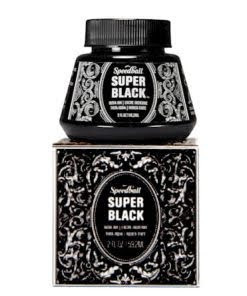
We often find that using technical pens like Pigma Micron or the Speedball Super Black with waterproof pigment ink gives us fine, reworkable detail. For dip pens, slightly thicker ink gives more control, but you'll want to test it first. If it clogs or skips, that means the flow isn’t quite right for your tool.
On smooth paper like hot press watercolour or Bristol board, inks can sit on the surface longer, which makes smudging more likely. Laying down a clean line with steady pressure helps. It’s also worth doing a small test before jumping into your work. Better a few test swatches than a ruined drawing.
How to Choose Inks That Flow for Washes
Washes need ink that moves with water. Here, you want ink that will spread well, break down softly when wet, and dry with even tones. Not all inks are made for this kind of use. Some stay too thick or leave streaky marks when used with too much water.
A few features help make an ink good for washes:
- Stays fluid without separating or clumping when diluted
- Responds well to layering, drying without lifting previous strokes
- Doesn’t stain too quickly, giving you time to adjust
The paper you work on affects this too. Softer or more absorbent surface papers will soak up fluid ink fast, often making edges dry jagged or uneven. Harder-surfaced papers give the ink more time to spread and blend. A light pencil plan lets you test both ink and paper together, especially if you're layering several washes.
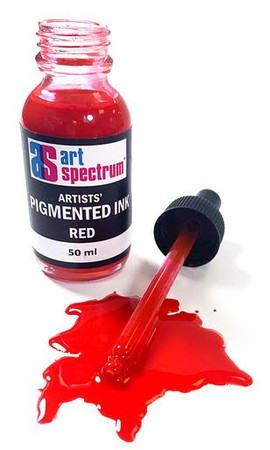
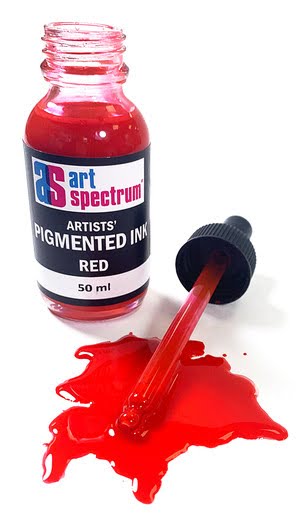
Pigmented drawing inks such as the Art Spectrum Pigmented Ink range or FW inks are fast drying, lightfast, water-resistant and non-toxic, with a smooth, even flow that can be used for transparent washes, layered tints or strong areas of colour, which can help when you want washes that dry reliably and stay put.
Things to Watch for with Mixed Techniques
Some drawings deserve both, firm linework paired with light, overlapping washes. If that’s something you’re planning, make sure your ink can do both jobs. Choosing one ink for line and wash work is possible, but you have to test how well it holds up under layering.
Here are a few things to check ahead of time:
- Is the ink waterproof once dry? If not, later washes might lift it and create muddy or blurred areas
- How does the ink respond to dilution? Does it go grainy or separate?
- Do the washes dry evenly, or do they settle with patchy marks?
Sometimes, letting lines sit overnight before beginning your wash can help reduce smudging. On hot days, though, you might get the same effect after an hour. Keep an eye on the surface. If it still feels cool to the touch, it’s likely not set yet.
A Quick Path to Confident Ink Choices
When choosing your materials, it helps to be clear about your goal. If you’re working on high-detail studies, a good waterproof ink that stays in place gives you more control over outlines and texture. For free movement and softer edges, go with an ink that lifts and responds to each brush stroke.
Drawing should feel steady, not like guesswork. When your ink, paper, and tools line up, whether you’re going for sharp lines or flowing shades, it all comes together with a lot less stress. We support artists in finding what suits them best, one test at a time.
For help matching inks to your work style or upcoming projects, feel free to reach out to us at Art Supplies Castlemaine. We’re always happy to talk through ink properties and materials that suit your approach.
Sorting through papers, pens, and brush options can be overwhelming, so check how different products perform in real use to achieve the ideal balance for steady outlines, soft washes, or a blend of both. Explore our selection of sets and tools that work well with all kinds of inks for drawing. At Art Supplies Castlemaine we are happy to chat about your setup and help you choose what feels natural in your hand so feel free to give us a call or drop in with any questions.