What Makes Etching Ink Behave Differently on Aluminium Plates
Posted by Art Supplies Castlemaine on 9th May 2026
If you've worked with aluminium plates for etching, you've probably noticed that the ink can behave differently to the way it does on copper or zinc. It can feel unpredictable at times, especially when summer humidity starts creeping into your workspace. Ink might sit unevenly, wipe too easily, or refuse to settle into your lines the way you'd expect.
That's because aluminium etching brings in a few variables that don't always show up with other metals. Surface reactions, plate softness, and ink residue can all mix things up. In Central Victoria's warm months, these quirks can become even more noticeable, especially in open studios or non-air-conditioned spaces. Let's walk through what makes aluminium plates behave the way they do and what steps help keep your results consistent.
Differences Between Aluminium and Other Etching Surfaces
Each metal brings different properties to the plate, but aluminium has a few that are tricky if you're not ready for them. Unlike copper or zinc, aluminium is softer and more chemically reactive. That means:
- It's more likely to build up a thin oxide layer on the surface, which can block ink from holding in etched areas
- It wears down faster with repeated use, affecting your line sharpness over time
- The surface is naturally more porous, so ink and grounds interact with it differently
If you're used to deeper bites and clean line retention on harder plates, aluminium can feel like it skips steps. The softness is what makes it easier to scratch into, but it's also what lets it lose fine marks unless it’s been prepped just right.
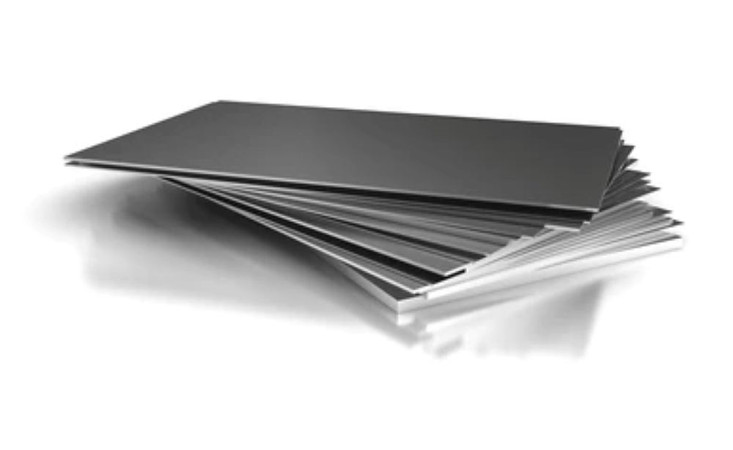
On top of that, aluminium reacts more easily with acids, which is why it sometimes takes longer to control during etching. The speed and depth of the bite can shift depending on the specific acid strength and studio temperature. The aluminium etching plates we stock are polished and plastic coated for a smooth surface, are 1.25 mm thick, and are suitable for both drypoint work and etching with Ferric Chloride or Copper Sulphate.
How Aluminium Reacts to Etching Grounds and Resists
Aluminium plates don't always love the same resists you've used on other metals. Some traditional hard grounds, especially when applied in warmer spaces, tend to bead or slip around if the plate surface hasn’t been cleaned thoroughly. That's where proper degreasing becomes necessary. Even small traces of oil can stop a ground from sticking evenly.
With summer humidity in the mix, water-based resists can be even more unpredictable. They might dry slower or bond poorly on a surface that's already a bit resistant. If you've noticed faint edges or flakes after lifting your resist layer, the ambient moisture and metal reaction may be part of the story.
The texture of your plate also changes things. Some artists roughen the surface slightly before applying ground to help with grip. Without that, the resist coating can become patchy, leading to messy bites. It's all about surface readiness and how well your materials match the plate's specific response. We carry traditional hard and soft ball grounds along with non toxic alternatives such as BIG etching ground, so you can choose the type of resist that best suits your aluminium plates and studio conditions.
Ink Behaviour During Wiping and Printing
Once you're through the acid bath and ready to ink up, aluminium brings up a few more small hurdles. You'll sometimes see inconsistent ink pick-up, especially in finer etched lines. That can make wiping feel like a balancing act, and it kind of is.
Here’s what often comes up with ink on aluminium:
- Shallow or faint lines may not hold ink evenly, making the wiping look patchy
- Heavier wiping pressure can remove delicate detail
- Too light a wipe can leave smudges, especially if ink pools in low spots
There's also the issue of plate temperature. In the hotter months, aluminium warms up faster than other plates. That heat can slightly thin out the ink, making it spread quickly and shift under pressure. If your studio gets warm, especially in the late afternoon, that change in ink fluidity can make a difference in the final print.
Some artists adjust their wiping cloth stiffness or switch to alternative papers for printing just to hold onto more detail and keep prints looking sharp. Others chill the plates slightly on hot days before applying ink just to slow things down a touch.
Preparing Aluminium Plates for Better Etching Results
Half the battle with aluminium is in how you prepare the surface. That little extra time at the front end saves a lot of frustration at the press.
Start by lightly sanding the plate to remove the factory coating or any previous use residue. Follow that with a proper degreasing routine. Even touching the surface with bare hands can leave enough oil to affect your resist or ink grip.
Some artists will give the plate a short pre-etch, especially if they plan to draw into it using drypoint or sugar lift. The pre-etch creates a more uniform texture that helps reduce blotchy biting later on.
Using a mordant that's known to work well with aluminium makes a difference too. Because this metal reacts faster, you'll want to watch timing carefully. Letting the plate sit too long can create soft spots near the edges or cause over-biting. Keep records of your bath strength and etch times. It doesn't have to be technical, just use repeatable steps for more reliable prints.
Getting the Most from Your Aluminium Etching Work
Aluminium plates might take a little more patience, but they open up creative options that harder metals don’t. You can use them for short-run experiments, test plates, or more textured approaches where edge softness isn’t a dealbreaker. And once you get a handle on the prep and inking adjustments, aluminium becomes a useful choice for summer printing when other metals start acting up in the heat.
We are a family-owned store in Castlemaine, Central Victoria, and have been supplying artists with quality fine art materials since 2009, in store and online. Working with its quirks takes practice, but the payoff is meaningful. If you're running into issues mid-print or can’t quite steady the wipe, you’re not alone; many artists shift approach slightly until their proofs start coming through clearly. If you're stuck, we always recommend checking in with artists familiar with regional conditions and tools. Local material knowledge can save a lot of back and forth in the printing process.
At Art Supplies Castlemaine, we know how much thought and preparation goes into creating reliable intaglio prints, especially when working with a surface that doesn't behave predictably. For artists looking to adjust their process or fine-tune their technique, our selection of materials supports every stage of aluminium etching from prep to press. Whether you are experimenting with resists or refining your plate wiping method, having the right materials on hand makes all the difference. We welcome any questions regarding compatibility or achieving consistent results in warmer months and invite you to contact us to discuss your needs in your print space.