Do Etching Tools Need Different Pressure in Damp Studios
Posted by Art Supplies Castlemaine on 20th Jun 2026
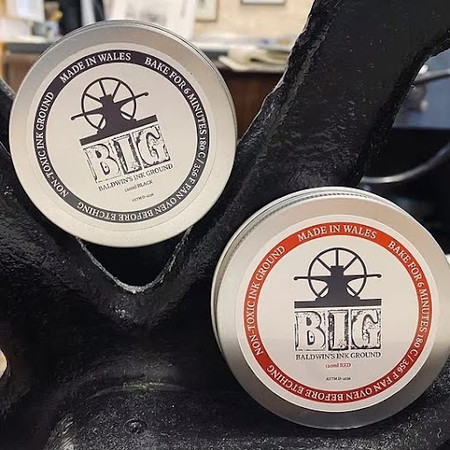
As we move through mid-autumn into winter in Central Victoria, the temperature drops and the air gets heavier with moisture. Things start to quieten in the studio a bit, especially in printmaking. Damp air changes the way our tools behave, particularly when using etching tools. Lines that were once crisp can begin to soften for no clear reason, and wiping plates becomes just a bit more work than usual.
These shifts are small, but they matter. Damp conditions do not mean we have to rethink everything, but they do change how pressure works during etching. A touch too much weight and the plate picks up more than you intended. Too light and the bite does not stick. It is not about pushing harder, it is about noticing how materials respond and making small changes to suit the day.
How Weather and Studio Moisture Affect Copper Plates
Cooler air settling into the studio does not just affect our jackets or the drying rack. Humidity plays directly with our copper plates and the paper we use for printing. Even without visible damp patches, the fibres in the paper swell up when there is extra moisture in the air. That swelling changes how well the paper takes a bite from the plate.
Grounded plates can behave differently too. In some cases, if plates are stored in a slightly damp cupboard, their surface may dull quicker or oxidise in odd patches. That can affect how the etching needle behaves when it passes across the surface. You might feel more drag or less control than usual, depending on how dry the metal is.
We have seen plates that felt smooth in January suddenly have small inconsistencies under the drypoint needle come April. It is not a quality issue. The studio environment just gets into everything. Proper sealing and prep help, but recognising how dampness changes these surfaces is key to knowing what your tools are really doing.
Adapting Pressure When Using Etching Tools
If the same tool starts giving different results, the studio climate might be the missing clue. When we use etching tools during a dry summer, the paper tends to handle more pressure without overblowing the line. But in damp, cooler months, using the same weight of hand or press pressure might give different results.
Here is what might show up if adjustments do not happen in time:
- Lines look faint or broken, even though the same stroke depth was used
- Image areas push too deep into the paper, making them print darker or more blurred
- Drypoint work on copper starts to catch extra ink, especially around curves
Shifting pressure does not mean always reworking every movement. It can be as simple as reducing how hard you push with your scribe or adjusting the felt depth on the press bed to allow softer contact. Pay attention to how the metal surface responds under each tool. Often, small losses in line control stem from the difference in backing materials or surface softness caused by damp air.
Keep an eye on the visual feedback after each press. If you are seeing heavier ink collection in shadowed zones or the edge contrast is fading, it is usually a clue that your pressure has drifted too far for the day's humidity.
Choosing Grounds and Tools That React Better in Moisture
When etching in cooler, wetter conditions, even your chosen ground can become part of the puzzle. Some hard grounds begin to soften sooner when left exposed for long, especially if the air has more moisture. That softness changes how your etching tools grip during linework.
A soft ground might seem easier to manage, but in humid air, it can become sticky or overly receptive, making it harder to keep fine lines from spreading. Lifting it cleanly with fabric or found textures also becomes more unpredictable.
Here is where tool checks help:
- Review the grip on your handle, especially in spring, as tools can feel less secure if hands sweat or board surfaces become cooler
- Sharpen your etching needle more regularly during this time of year, since damp conditions can dull finer points faster and increase resistance
We like to keep backups during cooler months. That way, if the tip feels draggy, we can grab a fresh scribe without breaking the flow. These minor switches stop pressure from being used as compensation when it is actually about tool friction or surface condition.
Printing Considerations After Etching in Damp Conditions
It is not just the etching that shifts in damp weather. The printing itself takes a different kind of patience. Paper that has been humidified already needs less soaking, but it can turn mushy or over-stretched if left in the bath too long. In autumn, when humidity lingers in the background, even dry paper can start slightly puffed.
We have found that letting prepared sheets rest for a short while before pressing helps avoid unexpected bleeding. It gives any surface moisture time to settle back, making for better contact with the plate.
It is also worth thinking about temperature. Gently warming a plate, even by setting it on a clean heating slab for a minute, can shift how moisture behaves on the metal. This does not mean adding actual heat to the process, just taking the sharp edge off cold metal before it is wiped or inked.
To keep things consistent on days where weather plays tricks, we sometimes rotate our paper stock between stacks before printing. That little airflow step helps balance the sheet and gives you more reliable ink hold across the image.
The Kind of Pressure That Works
Working in a damp studio does not mean starting from scratch. It is more about noticing the quiet ways your materials begin to react differently as the season shifts. Etching tools still do their job, but they may need a gentler or firmer approach depending on paper, plate, and air.
The good news is the change in pressure needed is subtle. Less hard pressing, slightly sharper needles, a bit more rest for the paper. Together, these tweaks bring back the results you expect. Making those adjustments part of your seasonal routine helps avoid the guesswork and brings more control over your printing.
Keeping a close eye on how our tools respond to shifts in moisture helps us move through April with less fuss in the studio. These small changes keep our work reliable without overworking the plate or our hands. It all comes back to staying aware and adjusting pressure when needed.
Moisture affecting line quality or bite depth during autumn sessions can be challenging, so a quick reassessment of materials may help smooth things out. Our range includes dependable etching tools that perform consistently in seasonal studio changes, whether you need to adjust pressure for softer copper or tweak techniques to suit shifting paper behaviour. At Art Supplies Castlemaine, we understand how important it is for tools to feel familiar even when conditions change, and we are happy to help you explore your options or troubleshoot gear that may be off its edge, so please contact us with any questions about tools, surfaces or seasonal preparation.