Comparing Drypoint Marks on Different Etching Papers
Posted by Art Supplies Castlemaine on 2nd Aug 2026
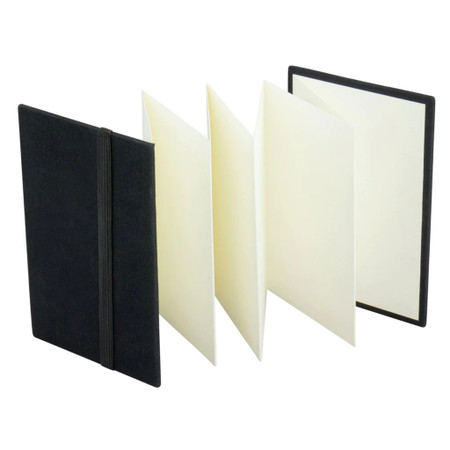
When we sit down with an art journal book, we’re not just thinking about today’s drawing but how it might hold up years from now. One factor that’s easy to overlook is the pH level of the paper itself. It’s not something that jumps off the sketchbook label, but it’s worth paying attention to if you care about keeping your work in good shape.
The pH in paper tells us how acidic or alkaline it is. That can change how well the pages stand up to age, moisture, light, and the materials we use on them. If you’ve ever pulled out an old notebook to find yellowing edges or brittle corners, odds are the paper was more acidic than it should have been. Let’s take a closer look at what that means and how we can make better choices going forward.
What Is Paper pH and Why It Matters
The term “pH” is a way of measuring how acidic or alkaline something is, using a scale from 0 to 14. A pH of 7 is neutral. Anything below that is acidic, and anything above is alkaline. For paper, this number shows what might happen as time passes.
Acidic paper tends to break down faster. It can yellow, become brittle, or even start crumbling if it’s been stored for a long time. That happens because the acids in the paper react with air and light, especially in damp or warm places. Most older books or sketchpads made from untreated wood pulp lean toward the acidic side, while newer options often aim for a neutral or buffered pH.
Neutral or alkaline paper is more stable. That means it won’t yellow as quickly, and it’s less likely to fall apart if kept clean and dry. Choosing this kind of paper can make a big difference if you want your work to last, in a portfolio, on a shelf, or tucked away in storage for years.
How Paper pH Affects Different Art Mediums
The paper we draw on can react differently depending on what materials we’re using. That’s why the pH level matters well beyond just storage.
Here’s what we’ve noticed across different mediums:
- Graphite, charcoal, and coloured pencil are mostly dry materials. Acidic paper can grab onto them a bit too much, making it hard to blend or lift. Over time, these dry marks may fade or shift if the paper breaks down underneath.
- Ink and watercolours need a stable page. Acidic paper might absorb water unevenly, leading to blotchy patches or weak colours. Over time, the acids can actually change the colour of the ink or cause watercolour edges to flake.
- Acrylic or gouache might seem more forgiving, but layers built on acidic paper can still crack as the surface hardens and weakens underneath.
When we work in an art journal book, these reactions aren’t always noticeable right away. The issue is what happens six months, or six years, down the track. That lovely wash of thinned ink or colour might not survive if the paper starts to change beneath it.
What to Look For When Choosing Sketchbook Paper
Reading art material labels doesn’t always come easily, but when it comes to paper pH, a few key phrases are worth looking out for. Words like “acid-free,” “archival,” or “pH neutral” usually mean the paper has been treated to stop it from breaking down over time.
Some papers are labeled “buffered,” meaning they include a small amount of alkaline substance (often calcium carbonate) to help balance out changes from moisture or air. That buffering can give extra protection if you live somewhere with fluctuating humidity or temperature shifts.
When picking paper for your sketchbook, ask yourself:
- Does the label mention acid-free or pH neutral?
- Is it made from cotton, which naturally has a more stable pH, or from wood pulp, which may need treatment?
- Does the texture match your needs for pencil, ink, or paint?
- Is the paper weight sturdy enough for the type of work you’re doing?
Thicker pages with at least 180 gsm usually hold up better long-term, especially if you’re layering or using wet media. Texture is also part of the experience, but smoother surfaces tend to absorb acidic materials more evenly, helping everything hold onto detail and colour better. Heavyweight, acid free papers such as Fabriano Artistico watercolour sheets in 300gsm and 640gsm are mould made from 100 percent cotton and offer a durable, neutral surface for sketching or mixed media work in book-style formats you might bind or store long-term.
Caring for Your Filled Sketchbooks and Journals
Finishing pages is satisfying, but how we store them can be just as important as the materials we use. Sketchbooks kept in closets or under beds often face some of the same risks as those on open shelves. Paper reacts to its surroundings, and changes are slow but steady.
In Central Victoria, winter brings cool air and higher indoor moisture, especially when windows stay shut and heaters are going. That can nudge acidic paper into an even worse state if sketches aren’t kept dry and flat.
To help your past work last longer:
- Store books in a dry place away from direct sunlight
- Keep them flat rather than upright if possible, especially heavier journals or those with mixed media
- Avoid plastic covers that trap humidity unless the space is very clean and stable
- Handle pages with clean hands to avoid oils breaking down treated surfaces
These small habits won’t fix acidic paper if it’s already starting to age, but they will slow the process. And with stable, neutral pH paper to start with, you’ve already given your sketches a head start.
Art Supplies That Work Long-Term
When we’re building out an art journal book or sketching regularly, it’s easy to focus on colour or texture. But once the drawing’s done, the paper holds everything together. That’s why pH matters.
If the paper is too acidic, it can start to yellow or crumble, even if the artwork looked perfect when you finished it. That can be frustrating if you’ve built up a whole journal of ideas or if you’re working on pieces meant to last. Taking a bit of time to choose a stable surface with the right chemistry helps everything else perform better too.
We’ve found that when artists understand this simple factor, it changes the way they shop for supplies. That quiet stack of books in the corner becomes something you can trust, not just for next week, but years from now. Clean colour, steady linework, and strong materials all start with simple choices like choosing the right pH. If it works well now and stores well later, your sketchbooks will always be ready when you come back to them. Along with loose sheets, we carry acid free sketchbooks such as the Hahnemühle Nostalgie range in 190gsm natural white paper, which is internally sized and well suited to detailed linework or light washes in a bound format.
Finding the right materials goes beyond colour or brush type, especially when it comes to long-term sketching. If you’re working on building out an art journal book, it’s worth taking a closer look at your paper choices from the start. At Art Supplies Castlemaine, we understand how surface quality pairs with your tools to shape the result and how it ages over time. For help picking paper that’ll support your work now and years on, get in touch with us.