Understanding Brush Shapes for Blended Acrylic Effects
Posted by Art Supplies Castlemaine on 14th May 2026
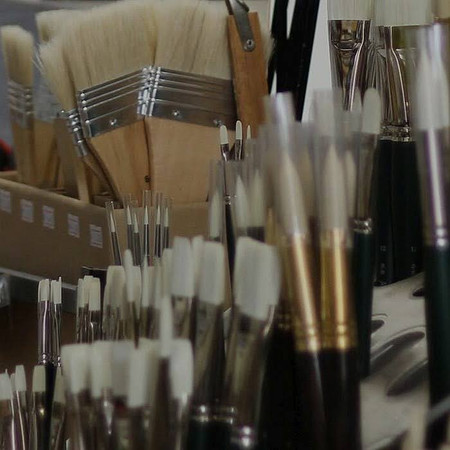
Blending acrylic paint can be a bit of a puzzle until you get the right brush in your hand. Even with solid techniques, blending often feels awkward when the brush doesn't match the job. Whether you're trying to smooth in pale skies or soften a shadow line in figure work, your brush shape sets the tone from the first stroke.
How colours settle, how transitions form, and how easy it is to build layers all come back to brush control. And brush control starts with knowing what tool you're holding. Every painter finds their rhythm differently, but when it comes to blending, choosing from the right fine art supplies makes the difference between a frustrating session and a smooth, steady build. Let’s take a look at how common brush shapes can help shape your blends.
Understanding Bristle Type and Paint Flow
Bristle type often gets overlooked, but it changes everything when you're blending. Natural bristles usually soak up more paint and water, which can feel helpful for wash techniques. But when blending, especially with acrylics, they tend to load unevenly and release paint faster than expected.
Synthetic bristles are more predictable. They hold their shape better and give you a bit more control over how colour releases onto the surface. For blending, especially with fluid paints, soft synthetic bristles can carry the pigment gently without pushing too much onto the paper or canvas.
Here’s how brush firmness affects blends:
- Soft synthetic brushes are better for slow, even blends with delicate colour transitions
- Firm synthetic brushes might leave choppy edges or interrupt the flow mid-stroke
- Natural bristles tend to hold too much paint, risking heavy patches or lost control on the fade out
Matching the bristle strength to the type of acrylic and your surface helps make sure you're not fighting against your own technique.
The Role of Round, Flat, and Filbert Brushes
Round, flat, and filbert brushes are the workhorses of any paint kit, and each one handles blending differently.
Round brushes are great for smaller spots that need precision. When you're blending in tight areas or between two narrow colour transitions, a round brush gives you control without flattening the paint. It's helpful for edges around figures or objects in still life work.
Flat brushes do well when you've got a big area to cover. They let you blend in long, straight motions without lifting off the surface. That’s handy for background washes or broad skies where you don't want harsh breaks between colour bands.
Filbert brushes are somewhere in between. They give the line strength of a flat, but the rounded tip keeps your edges looking soft. This cross between a flat and a round makes them strong for glazing or when you need softer touch-offs across layered transitions.
Fan and Mop Brushes for Soft Merging
Fan and mop brushes help when you're looking for feathered, softened ends to your blends. They cover large areas without leaving firm brush lines, which is useful when working on bigger pieces or atmospheric backgrounds.
The fan brush has spaced bristles that let you do flick style blending. That's handy for cloud effects or textured transitions that aren't meant to be perfectly smooth. Cross strokes and light passes help layer colour without pushing too hard into what's already there.
Mop brushes work like soft sweepers. They don't carry much pressure, so they're perfect for smoothing edges or gently fading colour into open areas. They're also useful for lifting off paint that's too heavy in low detail spots.
When using either brush, lighter pressure gives better results. These soft shapes do best when you avoid overloading them with paint or water. Too much pressure makes them streak or clump.
Angular and Detail Brushes for Creative Edges
Sometimes blending needs precision, especially when working around corners or between tight elements. That's where angular and detail brushes step in.
An angular brush has a slanted tip that's helpful for working up next to lines or shapes. If you need to blend along a curve or shadow line, the angled tip hugs the edge as you fade one colour into the next. That's useful for hair, folds in fabric, or edging near architectural lines.
Detail brushes are much smaller, but they still play a part in blending. They work in tight spaces like small facial features or detailed corners in miniature work. You can use them to ease in highlight blends or to soften transitions where a larger brush would swamp the area.
Here are a few ways they help:
- Angular brushes create soft blends in curved spaces or tight corners
- Detail brushes build gradual transitions in small figures and layered areas
- Both offer more accuracy when you're trying not to disturb nearby paint
Choosing Brushes Based on Surface and Acrylic Type
Not every surface handles blending the same way, especially when working with different kinds of acrylics. The tooth or smoothness of your surface changes how the brush drags and how the paint settles.
On textured surfaces, softer brushes may not reach into the grooves evenly. That can cause patchy blends. A mid-firm bristle helps paint settle across the texture without leaving streaks. On smoother surfaces, soft synthetic brushes glide better and allow colour to build evenly without pooling.
Your paint type also matters. Fluid acrylics work well with soft, synthetic bristles because they need less drag. Heavy body acrylics often need firmer bristles to move them, but too much firmness can interrupt a blend. Here's how to think about matching them:
- Textured surfaces benefit from mid-firm brushes that keep blends even
- Smooth surfaces do better with soft bristles that glide colour without pooling
- Fluid acrylics use soft, absorbent brushes for smooth transitions
- Thick acrylics can need more push from firmer bristles but may resist soft merges
When we think through our fine art supplies, it's often about getting these three to work together (the paint, the brush, and the surface).
Blended Results Start with the Right Brush
Every brush shape has a different role in how paint moves and settles. From big soft blends to fine shadow transitions, your tools shape more than just your strokes, they shape the way we work across a surface.
It helps to match the brush not just to the colour but to the part of the painting you're working on. With practice, you'll start to feel how the brush moves with you, instead of against you. That's when blending starts to feel natural, like a quiet part of your process instead of something you're wrestling with.
Getting smoother blends often comes down to using the right tools for the job, and it is not just about brushes but also includes your paint and surface too. We have put together a strong selection of fine art supplies that make it easier to find your flow, whether you are working with soft synthetics or building up texture. From flexible bristles to bristle strength suited to different acrylic types, we keep in mind how materials feel in practice. Should you need help choosing what fits your process best, we are here to lend some insight. To discuss your supplies or ask about blending tools, contact us at Art Supplies Castlemaine.