Guide to Binding Methods for Heavy Art Journals
Posted by Art Supplies Castlemaine on 6th Sep 2026
When you are working with thick acrylic layers, multiple glued pages, or stacked collage inserts, a regular notebook just will not hang on for long. An art journal book takes more wear and tear than most paper formats. Flipping through painted pages, pressing down with heavy brushes, and taping in scraps all pull at the binding.
That is why the way a journal is built can either carry the whole project to the finish or fall apart halfway in. Choosing a binding method that supports heavier pages makes it easier to keep everything together without worries about pages slipping or covers cracking. Before we start layering, painting, or drawing, it is worth thinking about what keeps the journal strong from start to finish.
Types of Binding That Can Handle Weight
Not all bindings are built for bulk. The way a journal is stitched, glued, or held together matters a lot once the pages start to fill up.
Let us look at a few common binding methods and how they hold up under pressure:
- Perfect Binding: This is the glued spine style you will see in sketchbooks or softcover notebooks. It works fine for thin paper or light work, but when layered pages start stressing the spine, the glue can crack. Over time, the pages might start dropping out, especially near the centre.
- Saddle Stitch: This method is simple, with staples down the centre fold. It holds smaller books well, but cannot deal with a build-up of materials. Once the book thickens, the centre pulls and the staples can warp.
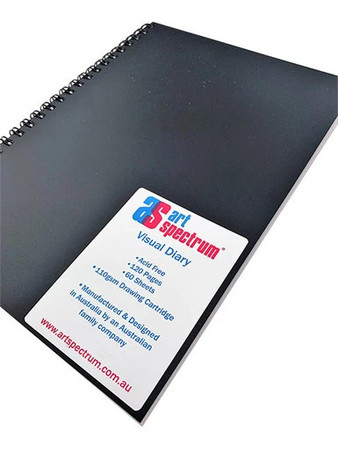
- Spiral Binding: Better for thicker journals, spiral or wire bindings let the pages lie flat. This makes it easier to work across spreads without wrestling with the spine. But over time, the wires can bend, especially if the journal is tossed in a bag or pressed under other books.
Each of these can work depending on the paper, but it is smart to keep an eye out for stress signs. Loose pages, spine cracks, or stiff page turns are signals the book might not last the full run of a long-term project.
Coptic and Exposed Stitch Binding: What Makes Them Strong
For artists who layer a lot or use high-weight paper, Coptic and exposed stitch bindings are a popular option. These styles are stitched by hand and do not use glue, which makes them more flexible and durable.
Coptic binding connects folded sections with a visible thread across the spine. This creates a book that lies completely flat whether it is open to the centre or the first page. It helps when painting across spreads or adding collage that spans two pages. The exposed stitching also spreads the pressure evenly, so no one spot gets overloaded.
Exposed stitch bindings are similar but do not follow a strict pattern. They might use longer thread gaps or vary by layout. Either way, they give the book a balance that glue-based spines cannot match. They do not snap apart, even if the inside spreads become thick with gesso, pencil builds, or pressed objects.
Many artists choose these bindings when they expect their journal to grow over time. Whether it is months of regular entries or a short but intense project, these styles tend to hold up better under creative pressure.
Choosing Paper First Helps Match the Binding
Before settling on what type of binding to go for, it helps to decide what kind of paper you will be using. Heavier or textured stock papers change the weight and feel of a journal once it is filled.
Some common choices include:
- 300gsm watercolour paper: Great for painting with lots of water or wet media. But its thickness means fewer pages will fit in a bound book unless the spine allows movement.
- Lightweight sketch paper: Works well for dry sketching or pencil journaling. More pages can be bound without gaps or bulging, so glue bindings can hold up fine here.
- Mixed media paper: Usually falls somewhere in between. It can take on wet ink or dry pastel, but still needs support in the binding when combined with tape, glue, or scraps.
When the paper has tooth or texture, it needs more space at the spine to turn properly. Bound too tight, the pages might buckle. That is when it is worth choosing stitch-based spines or full lay-flat solutions. Picking the paper based on how you will use the art journal book is a smart way to secure the right type of build from the start.
DIY Is Not Always Better for Big Builds
Making your own journal from scratch can sound like a fun idea, but not all builds hold together the way we hope. Once papers go above 250gsm or multiple layers of glue and tape get added, the structure starts to shift. That is when DIY bindings can break down without warning.
Store-bought notebooks with professional stitchwork or purpose-made spines tend to offer more stability. The fold alignment is tighter, and the pressure on the covers is better balanced.
In some cases, where pages are tearing loose or the covers warp, it may be worth asking for advice before going ahead. Complex builds need stability in the spine, and without it, even the best-planned journal can fail under pressure.
Choosing a strong, pre-bound journal makes sense for projects that will run longer than a few weeks or involve mixed materials. It supports not just the artwork, but the process too.
Page-Strong Tips for a Long-Lasting Journal
A strong binding turns an average sketchpad into a proper art tool. Especially when the paper is thick or textured, the spine pulls more weight than we realise.
Here is what we like to keep in mind:
- Strong bindings support page layering, mixed media, and repeated flipping
- Paper weight and texture affect how tight or flexible the journals should be
- Stitch-based spines give more movement and durability than glued backs
- Asking for expert help avoids weak builds that fall apart halfway in
Getting the right binding means your art journal book can hold ideas from start to finish, no matter how messy, bold, or experimental the work becomes. A little planning up front saves trouble later on and makes space for smoother, stronger artwork over time.
For artists using collage, heavy paste, or bold linework, it is worth starting with the right balance of paper and binding. From handmade stitchbooks to tool-friendly spiral pads, a well-bound journal lets the artwork stay where it belongs, on the page.
Planning your next creative project can be exciting, and choosing the right paper surface makes a big difference in how your journal holds up over time. From lightweight drawing sheets to heavy watercolour stock, the surface you select impacts both binding performance and page flexibility. We have seen smoother results when the build suits the media from the start and are happy to assist if you are unsure what paper pairs best with your preferred art journal book format. Contact Art Supplies Castlemaine with any questions about binding choices or materials.