Tips for Mixing Greys Without Using Black Pigments
Posted by Art Supplies Castlemaine on 28th May 2026
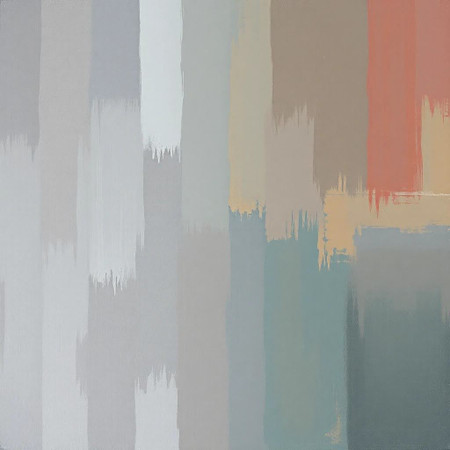
Some artists avoid black pigments not because they dislike them, but because they prefer a grey that feels livelier. The kind of grey that holds colour, shifts with the light, and doesn’t settle flat and heavy onto the page. We’ve found that mixing greys using colour, rather than defaulting to black, gives us far more nuanced results. It’s especially useful when we’re chasing tone rather than shadow.
With the right fine art supplies at hand and a bit of colour theory, we can build soft, complex greys that fit right into a painting without swallowing nearby hues. Whether we’re using watercolour, oil, or acrylic, the approach is the same: build from colour, not from absence.
Understanding Why Black Isn’t Always Best
Black paint has its place, but when overused in mixtures, it tends to flatten the life out of everything it touches. In watercolour, it’s even more noticeable. The mix dries hard, leaving dingy pools and dull spots where we wanted flow and harmony. Oil painting behaves differently, but similar issues pop up.
When we leave black out of our mixes, something shifts. Colours feel truer. Edges blend more softly. We get greys that hold subtle movement, and that helps the overall image stay in balance.
We notice a difference in tonal transitions too. By avoiding black, we create greys that reflect surrounding colours. Shadowed skin, misty clouds, or stone surfaces gain more depth from these chromatic mixes. They connect better with the rest of the palette.
Mixing Greys from Complementary Colours
One of the simplest ways to mix grey is by combining colours that sit opposite on the colour wheel. When placed against one another, these colour pairs (like red and green, or blue and orange) cancel each other out, muting down into grey or brown variations depending on the amounts used.
We usually start by picking pigments that have similar intensity or transparency. That helps keep control over the final mix. To find the right balance:
- Start with roughly equal parts of each complementary colour
- Use small adjustments to shift the final grey cooler or warmer
- Test on scrap paper first to watch how the pigment settles and dries
For example, Alizarin crimson and viridian green can give a cooler grey. Mixing burnt sienna with ultramarine can give a warmer, denser grey that leans nicely into shadow tones.
These mixes get you greys that still echo their source hues. That matters when working in textured areas like tree bark or reflective water, where flatness is less forgiving.
Using Primary Triads to Build Nuanced Greys
Another option is using all three primaries, red, yellow, and blue, in muted concentrations. This method gives us full control over warmth and coolness, depending on which colour dominates the mix. Starting with transparent pigments keeps the texture light and prevents over-thickening the surface.
Here’s how we usually approach it:
- Mix all primaries with medium (or water for watercolours) to keep the concentration lower and the greys softer
- Stir pigment slowly to track how the colour balance shifts
- Adjust dominance to steer the grey warmer (more yellow) or cooler (more blue)
A touch more red tips the mix toward plum, which can be useful in flesh tones. More blue brings in softness for shadows or foggy skies.
Keep in mind that transparency, granulation, and pigment quality affect how the mix performs. Opaque pigments like cadmium or cobalt can overpower fast.
Choosing the Right Whites to Support Grey Mixing
The type of white paint we use, if any, has a big impact on the look and feel of grey mixes. Titanium white is strong, opaque, and can turn any mix chalky if overused. Zinc white is gentler and adds transparency, making it helpful for layering or glazing. Either can be used but be sparing, white can easily overwhelm subtle greys.
We’re mindful that in watercolour, white is mostly controlled through the paper. That means paper tone matters. A warmer paper base tints the grey upward without extra pigment.
Greys in Practice: Examples for Landscape and Portrait Work
In landscape work, greys can shape everything from rock to sky to waterlines. Mixed greys let the scene breathe, especially when we want clouds or earth detail that supports the composition instead of drawing too much attention.
For portraits, mixed greys highlight shadowed areas of the face without making them feel disconnected. Around eyes, under chins, or inside creases, the right grey mix adds form without weight.
We often adjust those greys based on light temperature:
- In warm light, lean greys slightly toward brown or ochre
- In cool light, tip mixes toward blue or violet
- Keep darker areas soft to avoid drawing hard lines in the face or sky
With good control and the right fine art supplies, it’s easier to keep those greys consistent across studies, large pieces, or practice sheets.
Creating Greys That Bring Life to a Painting
Leaving black out of our mixing practice has helped us keep our colours lighter, more versatile, and more engaging. Chromatic greys make transitions smoother, shapes clearer, and tone more interesting. They adapt well to whatever we’re painting, from portraits to still life to plein air.
Instead of treating grey like a filler or shortcut, we treat it like any other colour on the palette, one that deserves just as much attention and care. Once we get used to reading colour temperature and pigment balance, those subtle greys start to come naturally, and they make a visible difference in the work.
At Art Supplies Castlemaine, we know how much subtle colour control matters, especially when working on tone-heavy studies or complex mixes. Whether you are reaching for warm shadow greys or cooler midtones, having access to quality pigments, surfaces, and tools makes all the difference. For those refining their approach to muted palettes or shifting chromatic blends, our collection of fine art supplies supports the control and clarity you need, and should you be unsure which mediums or pigments best suit your mixing style, please contact us for personalised advice.