Understanding the Role of Tooth in Art Journal Paper
Posted by Art Supplies Castlemaine on 27th Mar 2026
When picking a new art journal book, most of us think about the cover, size, or how thick the pages are. But there’s something else hiding in plain sight that makes a big difference to how your tools behave on the page. That’s the paper tooth.
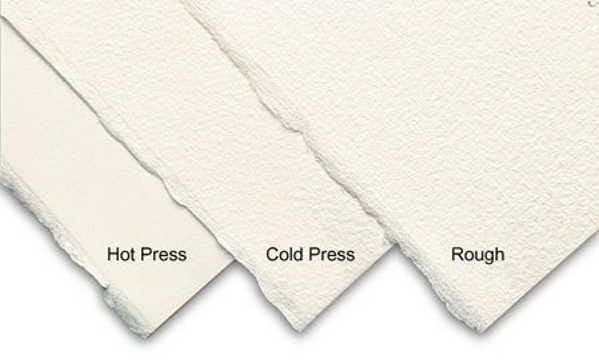
Tooth is what we call the texture of the paper. Some sheets feel rough, others smooth. That might not seem like a big deal at first, but it changes how colour sticks, how lines sit, and how easy it is to build up layers.
This is something we notice most when the air is dry and summer heat kicks in. Certain surfaces grab your materials better than others, and once you understand how each one works, things start to feel easier. So let’s look closer at what tooth really does, and why your favourite paper might behave differently depending on what you're using it for.
What is “paper tooth” and why it matters
Tooth is the tiny bump or texture you feel when you run your hand across a sheet of art paper. It’s not just an extra feature. That texture helps grip your materials, which changes how the marks show up on the page.
Paper with a lot of texture has what we call a coarse tooth. It feels rough and grabs hold of dry materials like pastel or charcoal. A smooth sheet with almost no texture is low-tooth. It works better with ink, pen, or anything that needs clean lines without drag.
You can usually spot the paper’s tooth just by looking at it under a lamp or at an angle. Here’s what to look for:
- Coarse tooth: You’ll see fibrous surface shadows and feel more grip when drawing with soft pencils.
- Medium tooth: A balanced texture that works with both wet and dry techniques.
- Smooth (low tooth): Barely any texture, perfect for clean ink lines or printed materials.
Getting familiar with how these feel lets you pick the right look and surface for your project ahead of time, without surprises halfway through your page.
Matching tooth texture to your medium
One of the quickest ways to walk away from a frustrating art session is using the wrong paper for your tools. Each medium behaves a bit differently, and the paper’s tooth either helps or fights that behaviour.
If you’re working with dry materials like charcoal, soft pencils, or pastels, you’ll want more surface grip. Coarse tooth paper holds loose particles and lets you layer over without things sliding around too much.
For smoother, more detailed tools like markers, fineliners, or even water-based pens, a low-tooth paper works best. Smooth sheets help you put down clean lines without skipping or catching on the way.
If you’re not sure, or if your work mixes both drawing and wet paint, papers with mid-tooth texture are often the best bet. They give enough hold for smudge-heavy techniques while still being gentle enough for soft washes.
Matching your materials to the paper can keep drawings sharper and layers building more cleanly. If you're building an art journal book with a mix of sketches and lettering or paint tests, choosing a consistent mid-tooth base can make the whole book feel more cohesive and easy to work in.
How tooth influences layering and blending techniques
One of the more subtle ways tooth shapes your work is during layering and blending. A page that grabs your pigment lets you slowly build shadows, deepen colour, and mix on-page in a way that holds up over time.
With coarse tooth, there's more surface area to catch material. That means you can go back and add layer after layer without losing earlier detail. This is useful for graphite shading or pastel work, where you want soft, slow builds.
That same texture can fight you if you need fine blends or smooth fades. If you’re using wet mediums, like watercolour or acrylic ink washes, paper that’s too rough can break up your lines or make the paint pool. That’s where smooth or slightly textured papers help create less resistance, giving you a better shot at soft transitions.
Some artists use different sections in their journals with different paper types altogether. Others deliberately prep half their book with gesso or underlayers to adjust how the paper takes medium as they go. It all depends on the way you work, but once you pay attention to how much drag your paper gives, you’ll start to see why some blends pop while others struggle.
If you are looking for some of our favourites for drawing:
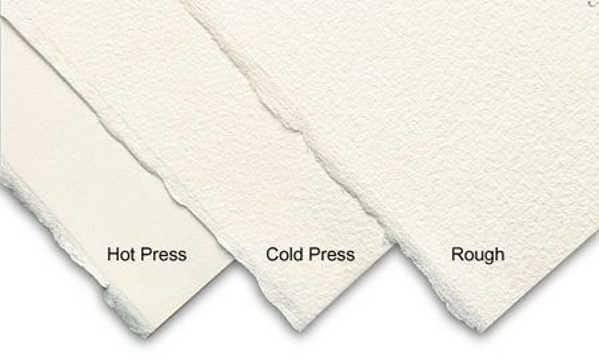
For coarse tooth try Saunders Waterford 190 cold press - a watercolour paper that makes a fabulous toothy drawing paper
For medium tooth try Canson C’a Grain paper in sheets or pads - a great all rounder that takes many layers of coloured pencil.
For smooth, low tooth or virtually toothless try Saunders Waterford 190 hot press or Bristol Board.
Seasonal conditions and paper tooth in Australia’s long summer
Hot, dry air changes how materials behave, and that includes your paper. By late February, many parts of Australia are sitting under dry heat, which can draw moisture out of paints quicker and challenge how your paper holds up.
On smooth papers, this drying effect speeds things up too much, making layers dry mid-stroke or blend oddly. If there’s not enough texture, the water might skim instead of soaking in, which can leave uneven patches or hard edges you didn’t plan for.
Textured paper offers a bit of grip that keeps pigment in place even when the air is quick to dry it. When working on projects during this stretch of the calendar, especially outdoors or near a sunny window, we tend to use pages with a little more tooth. That added surface can help keep things more stable.
Storage habits play a role too. In hot weather, flat storage with some weight on top helps pages dry evenly and stops warping. Avoid leaving books open near bright light or tucked in warm corners. The curves and buckles from heat are harder to flatten later once a page is fully worked.
Paper Confidence for Better Journaling
Getting comfortable with paper tooth can take your journaling practice from guesswork to something that feels more consistent each time you open your book. The right tooth makes your tools feel more predictable and your results easier to control.
It’s also a confidence boost. A bit of surface grip can stop colours from sliding, help lines settle properly, and keep thin washes from creeping across dry areas. Once you start noticing how the paper behaves under your favourite tools, you can work around heat, humidity, or even slight paper changes between brands without much fuss.
There’s no perfect level of tooth for everyone. With a bit of testing, you’ll find what suits your art journal book and makes the process more relaxing. Late summer can bring a few challenges, but with the right texture under your pencil or brush, the page ends up doing more of the hard work for you.
Looking to try new surfaces or test how different textures hold your favourite materials? See how the right paper can transform your marks on the page, whether you're layering watercolour, sketching loosely in pencil, or working across mediums. Start by finding the perfect surface for your process, especially when building a longer-term project like an art journal book. At Art Supplies Castlemaine, we are here to help you choose the ideal option, so give us a call or send a message if you need assistance.