Why Printmaking Ink Reacts Differently on Cotton vs Wood Pulp Papers
Posted by Art Supplies Castlemaine on 28th Mar 2026
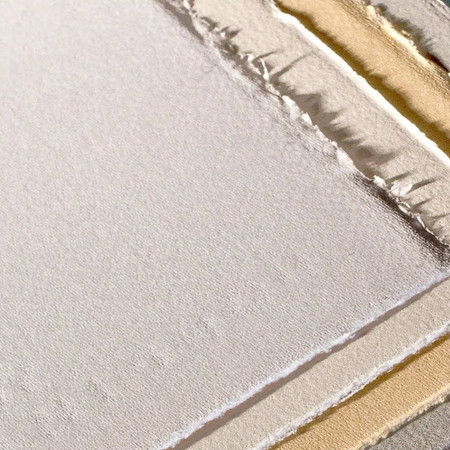
Printmaking ink can act quite differently depending on the paper used. This becomes especially clear when comparing cotton-based sheets to ones made from wood pulp. The way the ink behaves, how it sits, how it seeps in, and how much detail it carries can shift more than expected just by changing paper.
Understanding how your printmaking ink interacts with common paper fibres helps keep your work consistent across editions, no matter what the weather brings into the studio.
Understanding Paper Composition in Printmaking
Not all paper is made the same way, and that affects more than just the feel under your hand. The fibre type and how it's processed have a direct impact on how it performs during printmaking.
Cotton rag paper is made from 100% cotton linters or recycled cotton fabric. This material tends to be softer, more durable, and more consistent batch to batch. It has long fibres that form a strong, flexible sheet with a smooth, absorbent surface.
Wood pulp paper, on the other hand, is made from groundwood or chemically processed trees. These fibres are shorter and break down more easily, often leading to a more rigid, sometimes brittle surface. Many student grade papers fall into this category, but there are higher grade wood pulp sheets with better performance.
Because of how these papers are structured, printmakers tend to prefer cotton for techniques that need precise marks, extended ink handling time, or flawless ink transfer. Surface strength matters when feather light details or delicate tonal shifts are part of the plan.
At Art Supplies Castlemaine, we stock a range of printmaking papers including 100% cotton Magnani Pescia, Somerset, Fabriano Tiepolo and Stonehenge sheets, cotton and alpha cellulose blends such as Magnani Etrusca, and 60% cotton Fabriano Rosaspina, alongside cartridge papers that offer sturdy, acid free wood pulp options for drawing and printmaking.
How Absorption Affects Ink Transfer and Drying
Ink movement in printmaking is closely tied to how quickly paper pulls in moisture. Cotton and wood pulp handle this quite differently.
Cotton paper has strong absorbency thanks to its open fibre structure. It allows the ink to sink into the surface without immediately spreading or blotting. This gives more control.
Wood pulp tends to draw moisture more aggressively, which can create uneven drying. The top side might start to pull ink before the full pressure is applied, leaving patchy sections or faint lines. If the paper is too dry or the studio unusually warm, like a late March afternoon in Central Victoria, you might find that wood based stock dries before the ink can transfer cleanly.
Here are two common issues that pop up with pulp papers
- Over absorption, where soft areas blot ink too quickly, causing prints to lose detail
- Under absorption, where sizing blocks the ink, leading to spotty or incomplete coverage
When we know how a sheet responds, we can shift timing or adjust pressure to suit the style we're printing with.
Surface Texture, Sizing, and Ink Behaviour
The feel of the paper under your fingertips tells you a lot about what to expect once the ink rolls out. Smoothness, grain, and added sizing all play a part.
Cotton based papers often show a fine, even surface. This smoothness helps maintain the clean edges of linework, especially in drypoint or etching. With less surface texture pulling at the ink, plates print at full resolution. The paper can hug the matrix of the plate without dragging pigment in places it shouldn't go.
Wood fibre sheets, especially the less processed ones, usually have more surface tooth. For hand rubbing, relief techniques, or monotype printing, that slight texture can help grip the ink a little more confidently. But it becomes a trade off. Textured grain can break up fine lines or cause open tone areas to take on a mottled look.
Then there is sizing. All papers hold some form of starch or gelatin to control ink absorption. Internal sizing is added during manufacture, while surface sizing is applied later. Cotton papers often handle both well, keeping a steady ink profile across the pull. Pulp sheets sometimes have inconsistent sizing, making results vary even within the same brand or pack.
If ink is sitting on the surface too long or disappearing into the fibres too fast, the paper texture and sizing might be driving that result.
Longevity and Stability in Final Prints
A print does not stop changing once the ink dries. Paper holds memory, and over time, fibre strength and chemical makeup affect how that image lasts.
Cotton rag is acid free by nature. It holds its strength well over the years and resists yellowing. Because the fibres are longer and more uniform, they do not break down quickly. The surface stays smooth, colours stay truer, and cracking rarely develops. This makes it a popular option when final presentation matters.
Wood pulp papers can be treated to be acid free, but untreated ones will eventually break down. Lignin, a compound naturally found in wood, reacts with air and light, turning papers brittle and discoloured. Even with ink laid well, time can work against pulp sheets if they are not stored carefully or made to archival standards.
Below is what printmakers can expect when comparing the two
- Cotton provides longer lifespan and stronger support for colour integrity
- Pulp papers may shift tone, yellow, or shed fibre over time
- Finished prints on cotton tend to resist environmental wear better in heat or humidity
If longevity matters, cotton usually carries fewer risks once hung or stored for the long term.
The Right Paper Choice Makes the Difference
Cotton and wood pulp both have strengths. Cotton tends to shine with fine line or plate heavy techniques, where tight grain and strong surface work together with detailed mark making. Wood pulp might lend itself better to experiments with brayers, textures, or quick lifts when cost and speed matter more than lasting perfection.
When the days are warm and the air is dry, like during a late summer print session in Central Victoria, those subtle paper reactions can appear faster than usual. Knowing exactly how your paper type handles ink, pressure, and drying gives you better control and fewer unwanted surprises.
Picking the right sheet means your printmaking ink behaves how you expect, letting your process stay sharp and your prints turn out as planned. That kind of predictability helps us feel more confident with the next plate or paper stack in reach.
Choosing paper that works well with your style makes all the difference when pulling a clean, detailed print. Knowing how fibres react to moisture, pressure, and surface sizing helps you stay in control across every edition. If you are looking to get more consistent results with your printmaking ink, we are happy to chat through your options and help you match materials to your process. At Art Supplies Castlemaine, we have stocked our shelves with artist trusted tools for the job, so give us a ring or send a message if you would like help choosing the right surface or support.